Subscribe to stay ahead with expert insights on ESOPs, smart ownership strategies, and more!
Editor's Note: Candidate screening is one of the most critical stages in the hiring process, yet it is also where many recruiters unintentionally lose strong talent. This article explores common screening mistakes and how AI-powered tools can help solve them.
Why Candidate Screening Fails and How AI Hiring Platforms Solve It
Candidate screening is where most of your hiring leverage lives and where many of your biggest leaks occur. You move too fast, and you lose great people. You move too slowly, and hiring managers complain, candidates drop, and roles stay open. The good news is that most screening problems are predictable, and most importantly, fixable!
In this guide, we’ll unpack the most common screening mistakes recruiters make, how AI-Powered Screening and smarter AI recruitment cycles can help, and where even the best hiring platforms can’t save you from human bias.
Mistake 1: Confusing Speed With Rushing
Under pressure from hiring managers, it’s tempting to skim CVs for 10 seconds and make gut calls. High volume and tight timelines make this even worse. The result is the qualified candidates being screened out for superficial reasons like unfamiliar company, non‑linear career path, or even formatting quirks.
A better approach to this is:
Set clear role‑specific must‑haves vs nice‑to‑haves before screening.
Use an AI-based recruitment platform to pre‑filter on objective criteria like skills, location, language, mandatory certifications, and then review that shortlist more thoughtfully.
Time‑box your own review per candidate (for example, 60 - 90 seconds with a consistent checklist) instead of skim‑and‑guess.
Well‑implemented AI recruiting tools have helped some companies cut time‑to‑hire by 75% while improving response rates and reducing recruiter workload, but that only works if you pair speed with structure, not shortcuts.
Mistake 2: Letting Bias Drive Early Screening Decisions
Bias creeps in fastest during early screening. Research highlights several common patterns, such as favouring candidates from certain schools, over‑valuing brand‑name employers, or letting one standout CV make the next few look weak (contrast effect). These shortcuts feel efficient, but obviously damage fairness and quality.
How to fix it?
Standardise what you look for in the first pass. Specific skills, outcomes, and relevant experience rather than “pedigree.”
Use AI-Powered Screening for anonymised or semi‑blind screening where possible, like masking names, photos, and sometimes school names in the first round.
Train your team on contrast, confirmation, and affinity bias and build checks into your AI recruitment cycles (for example, periodic audits of shortlists across demographics).
Studies of AI tools also show that if they’re not monitored, they can import or amplify bias, for example, ranking candidates with white‑associated names higher by default.
That’s why the goal is not to replace humans, but to combine structured criteria, AI-Powered Screening, and conscious human oversight.
Mistake 3: Over-Reliance on Job Titles and Keywords
Many recruiters lean too heavily on keyword matching, either manually or via tools. This can surface people who know how to stuff CVs with the right buzzwords while hiding those who actually match the role but describe their work differently.
A smarter workflow:
Use AI-Powered Screening to extract skills and responsibilities, not just exact keyword matches.
Configure your AI-based recruitment platform to look for equivalents. For example: “business development” vs. “partnerships,” “customer success” vs. “account management.”
Scan for outcomes and scope (targets hit, size of team, complexity of projects), not only tools and titles.
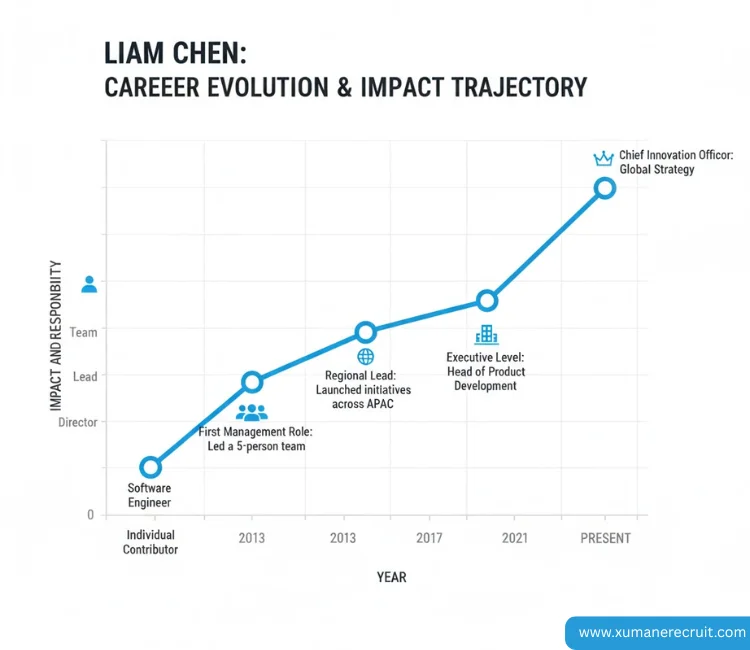
Mistake 4: Ignoring Context and Career Trajectory
Screening often treats CVs as static snapshots, instead of stories. That’s how you miss high‑trajectory candidates coming from smaller brands, career switchers with strong underlying skills, or people with short gaps for understandable reasons.
To improve, we can:
Look at progression (promotions, increasing scope, diverse projects) instead of just brand names.
Use notes or tags in your best hiring platforms to mark “interesting trajectory” candidates, even if they’re not perfect for this role.
Let your AI-Powered Screening models learn from past hires. For example, which patterns of growth and skills correlated with strong performance?
AI can help here by surfacing non‑obvious matches based on similar skills and outcomes, even when labels differ. But you still need a human to recognise unconventional paths that algorithms might underweight.
Mistake 5: Treating AI Recruitment Cycles as Black Boxes
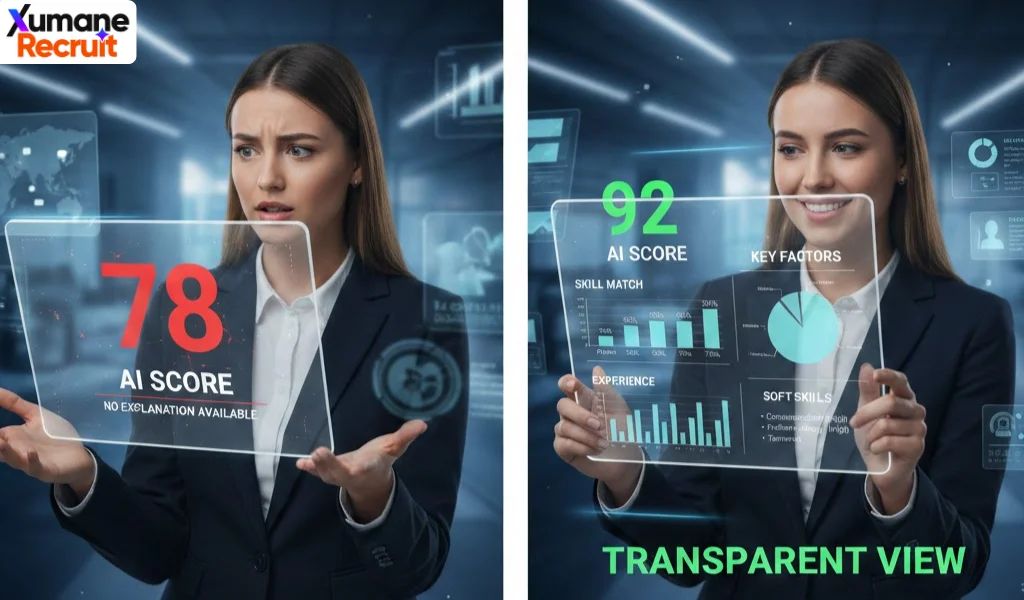
Adding AI into screening can help or hurt, depending on how you implement it. A big mistake is to treat scores from an AI-based recruitment platform as the unquestionable truth. Without transparency, you risk automating old biases and losing trust from candidates and hiring managers.
Choose tools that show why a candidate was ranked a certain way (skills matched, experiences, assessments).
Use AI-Powered Screening to prioritise your attention, not to auto‑reject on its own.
Periodically review “false negatives” (rejected by AI but later deemed strong) and “false positives” to recalibrate.
Case studies show that companies that closely monitor their AI recruitment cycles and adjust based on outcomes get the best of both worlds, i.e., significant time‑to‑hire reductions with better alignment between candidate quality and role needs.
Mistake 6: Forgetting That Screening Is Part of Candidate Experience
Screening decisions aren’t just internal. They shape how candidates feel. No acknowledgment, no timeline, and no clarity send a clear (if unintentional) signal: “You’re just another CV.” Candidate‑experience benchmarks show that long periods of silence are one of the top reasons candidates drop out or avoid reapplying.
To fix this:
Make it standard that every applicant receives an acknowledgement and a rough timeline.
When a candidate moves to the next stage after AI-Powered Screening, send a short human note explaining what impressed you.
Use your best hiring platformsand AI tools to trigger status updates automatically as people move through AI recruitment cycles.
Strong communication turns screening from a black box into a transparent process, even for candidates you don’t progress.
Frequently Asked Questions
Not safely. AI-Powered Screening is excellent for narrowing large pools and highlighting likely matches, but final calls should still involve human judgment especially for senior, high‑impact, or non‑standard profiles.
Typically, your AI-based recruitment platform ingests job data and candidate profiles, scores and ranks candidates, and feeds shortlists into your ATS. Recruiters then review, adjust, and move candidates forward, which in turn trains the model over time.
Prioritise: transparent AI explanations, flexible screening rules, strong integration with your ATS/HR systems, and analytics that let you see where candidates get stuck. The best hiring platforms support human decision‑making; they don’t hide it behind opaque scores.
Use structured criteria, semi‑blind screening where possible, and diverse reviewers for key roles. Configure AI-Powered Screening to focus on skills and outcomes rather than proxies like school or last employer, and audit results regularly for skew.
Start small: define success criteria clearly for one role, implement basic AI-Powered Screening rules in your existing tools, and track how your shortlists change. Then expand these patterns across roles and refine your AI recruitment cycles as you learn what works.



 Tushit Pandey
Hiring right is the most important skill. After all, you bet on people, not on resumes and strategies.
Tushit Pandey
Hiring right is the most important skill. After all, you bet on people, not on resumes and strategies.